Address
304 North Cardinal
St. Dorchester Center, MA 02124
Work Hours
Monday to Friday: 7AM - 7PM
Weekend: 10AM - 5PM
Address
304 North Cardinal
St. Dorchester Center, MA 02124
Work Hours
Monday to Friday: 7AM - 7PM
Weekend: 10AM - 5PM


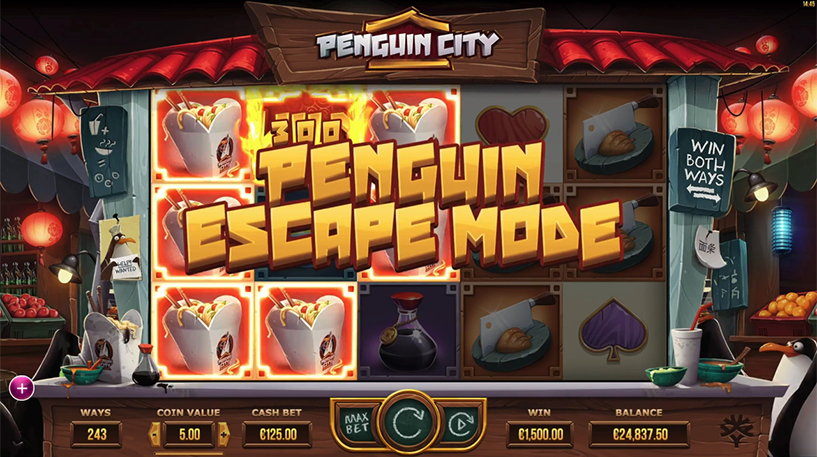
The Art Fair Break Pengu Sport Game Culture in the UK serves as a intriguing crossroads where art and gaming intersect. This event challenges traditional notions of artistic expression by immersing participants in interactive narratives that reflect contemporary themes. It brings up questions about identity and community in a digital age, prompting attendees to rethink their roles within these evolving spaces. What unexplored connections might emerge as art continues to engage with the dynamic terrain of technology?
As the boundaries between creative disciplines dissolve, the intersection of art and gaming emerges as a lively arena for exploration. Artists are increasingly drawn to game design, using the medium to challenge traditional narratives and aesthetics. Through immersive worlds and interactive storytelling, they create experiences that capture attention and stimulate thought. The collaboration of visual art and game mechanics fosters a dialogue about identity, culture, and technology, allowing players to engage with themes in rich, multifaceted ways. Additionally, immersive installations and public projects reflect this convergence, inviting audiences to involve themselves actively rather than passively consume. This innovative environment not only reshapes artistic expression but also enhances the gaming experience, creating new pathways for creativity in both domains.
What makes the works of showcased artists in the gaming sector so captivating? These artists deftly blend traditional artistic techniques with technological innovation, creating a complex fabric that challenges boundaries. Their pieces often reflect introspective narratives, echoing themes of identity and community within the gaming environment. For instance, one artist’s exploration of pixel art encapsulates nostalgia while concurrently analyzing commercialism in modern gaming. Another uses immersive 3D sculpture to evoke emotional responses, connecting the gap between gamer and creator. In addition, the diverse backgrounds of these artists imbue their works with unique cultural perspectives, encouraging audiences to engage critically with both art and game culture. Together, these elements transcend mere aesthetics, prompting viewers to ponder on the profound implications of interactive media.
At the center of the Art Fair is a vibrant fusion of technology and creativity, where immersive game zones involve participants. Community participation initiatives welcome diverse voices, fostering a sense of ownership and connection to the art. Meanwhile, collaborative art installations not only enhance the experience but also spotlight the collective power of creativity within this unique cultural context.
While engaging themselves in the vibrant world of gaming, participants at the Art Fair are discovering how immersive game zones convert interactions into profoundly enthralling experiences. These zones surpass traditional gaming by combining artistry, technology, and gameplay, inviting attendees to step into environments where the boundaries between player and game vanish. Through interactive storytelling and sensory engagement, players not only consume content but also become integral to its design. Feedback loops enhance their participation, allowing them to influence outcomes and narratives adaptively. This experience fosters a distinctive emotional connection to the art form, positioning gaming not merely as entertainment but as a medium for expression and discovery. Consequently, engaging game zones transform community engagement and artistic appreciation within the gaming culture scenery.
There’s a growing recognition that community participation initiatives at the Art Fair enhance the gaming experience beyond mere entertainment. These initiatives invite attendees to engage actively with the art and culture surrounding Pengu Sport, fostering a sense of ownership and connection. Workshops that allow participants to craft their own game art or design characters not only nurture creativity but also solidify community ties. Additionally, interactive panels encourage discussions on the intersection of gaming and art, promoting critical thinking among participants. This engagement converts passive viewers into active contributors, creating a cooperative atmosphere that enriches the overall experience. By blending gaming with artistic expression, these initiatives enhance understanding and appreciation, ultimately raising the cultural significance of the Pengu Sport game community.
As visitors step into the universe of interactive art installations at the Art Fair, they immediately sense the lively energy of collective creativity. These installations encourage participation, dissolving the lines between creator and audience. By participating in interactive experiences, attendees don’t just observe art; they become essential to its creation. Each stroke of the brush, each choice of color, transforms as contributors shape the installation through their narratives and actions. This coalescence cultivates deeper relationships, providing a meaningful commentary on collective identity in contemporary culture. The consequence is a diverse experience that transcends traditional art forms. Ultimately, collaborative installations challenge notions of authorship and proprietorship, representing a spirit of togetherness and dialogue that reverberates with varied participants, forging lasting memories within the art space.
Although gaming often meets criticism for its likely negative effects, it unquestionably cultivates considerable social shifts that resonate across multiple aspects of society. Games mold narratives, create communities, and foster inclusivity, tearing down barriers that once restricted art and culture to conventional forms. The exchange between gaming and art fosters new avenues for partnership, encouraging artists to explore within engaging environments. Additionally, gaming reflects contemporary social issues, allowing players to involve with complex themes like self, ethics, and resilience. As the medium proceeds to evolve, it challenges traditional norms and encourages novel expression. In the end, the social impact of gaming reaches beyond simple entertainment, positioning it as a strong force that impacts societal principles and collective consciousness.
As the digital environment evolves, a new wave of artists is emerging, pushing boundaries and reshaping creativity. With the rise of NFTs, possession of digital art has changed, sparking debates about value and authenticity. This shift not only enables digital creators but also challenges traditional art markets to adjust or risk obsolescence.
While the rise of digital technology persists to change various aspects of society, it’s transforming the art world in unprecedented ways. Digital artists are not merely producing; they’re molding the future. This movement emphasizes several key trends:

As these trends burgeon, digital artists are emerging as essential players, creating a new artistic framework that challenges established norms and welcomes innovation in form and audience engagement.
With the advent of NFTs, the art world is experiencing a profound shift in how ownership is defined and challenged. This innovation allows artists to tokenize their work digitally, creating authenticated ownership that overcomes traditional barriers. For collectors, NFTs provide proof of authenticity and unique rights, transforming the concept of provenance in a domain often plagued by forgery. However, the debate surrounding intellectual property and copyright intensifies; issues arise as digital art can easily be duplicated. As artists traverse this new environment, they face the challenge of balancing accessibility with exclusivity. The future of art lies in this evolving dialogue between creators and collectors, where technology not only enhances visibility but also examines the very essence of owning art.
Attending the Art Fair Break in the UK can change one’s understanding of both game culture and artistic expression, as it smoothly merges these two dynamic areas. To fully experience this life-changing event, one should:
The Exhibition Fair Break Pengu Sport Game Culture in the UK expertly shows the life-changing impact of art and gaming. By cultivating an setting of cooperation and originality, this occasion not only challenges traditional barriers but also improves the cultural terrain. Visitors exit stimulated, having participated with dynamic displays and thought-provoking stories that initiate discussion about self and society. As technology continues to develop, the fusion of these fields promises an fascinating prospect for both designers and gamers alike.